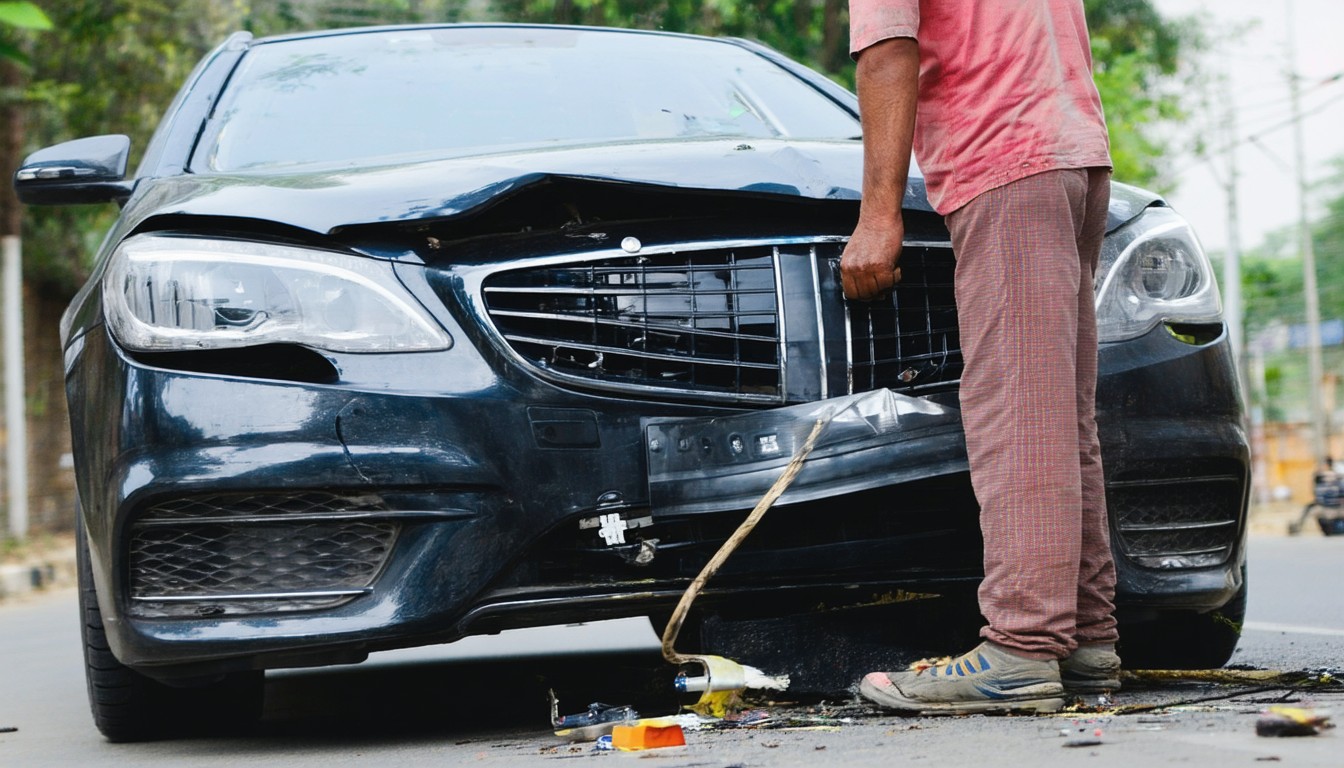
Section 166 of Motor Vehicle Act: Claim Procedure and Compensation Rules
Road traffic accidents are an unfortunate reality in India, affecting countless families and often resulting in physical, emotional, and financial hardship. In this challenging landscape, Section 166 of the Motor Vehicle Act, 1988, assumes immense significance, laying out the legal pathway for accident victims and their kin to seek compensation. This section isn’t just a piece of legislation; it is a critical pillar of social justice, ensuring injured persons and their dependents have recourse in the wake of road mishaps.
What is Section 166 of the Motor Vehicle Act?
Section 166 provides the statutory right to file a compensation claim arising from motor vehicle accidents. This claim can be made for death, bodily injury, or damage to property resulting from the use of motor vehicles. Importantly, the section defines who can claim, the authorities involved, and the broad procedures that must be followed.
Who Can File a Claim under Section 166?
The law recognizes the diverse impact road accidents can have and allows the following parties to approach the Motor Accidents Claims Tribunal (MACT):
- The person who sustained injury.
- The owner of the property damaged.
- Legal representatives of the deceased (in the event of death).
- Any agent duly authorized by the injured or, in case of death, the deceased’s legal heirs.
This inclusivity ensures that victims or their dependents retain agency, even when faced with serious or fatal injuries.
Types of Claims Permitted
Section 166 covers claims for:
- Compensation due to injury or death in an accident.
- Damages to property (such as vehicles or personal belongings).
- Compensation for dependents of the deceased for loss of income and consortium.
Beyond these, courts have sometimes interpreted the section’s reach more widely, especially in favor of justice for children, daily wage workers, or passengers in public transport.
Step-by-Step Procedure for Filing a Claim
The claims process is governed not just by legal rights but also by critical timeliness and documentation requirements. Understanding the process can make the difference between a swift resolution and a protracted ordeal.
1. Filing the Application
The aggrieved party needs to file a claim application with the relevant Motor Accidents Claims Tribunal. This tribunal is typically located where the accident occurred, where the claimant resides, or where the vehicle involved is registered.
Key documents to submit include:
- First Information Report (FIR)
- Medical reports and bills
- Proof of identity and relationship (in death claims)
- Details of the vehicle, insurance policy, and, if available, witness statements
“Prompt and well-documented filing is often the first—and most critical—step in ensuring fair compensation. Gaps in paperwork or delays frequently complicate otherwise straightforward cases,” notes Amit Singh, a senior accident claims lawyer in Delhi.
2. Tribunal Proceedings
After submission, the MACT investigates the case. It considers the evidence, hears from all involved parties—including the respondent (vehicle owner, driver, or insurer)—and may call for further documentation or witness examination. Legal representation is not mandatory but is highly recommended, given the technical nature of proofs required.
3. Determination and Award
Once satisfied, the tribunal fixes the quantum of compensation, considering:
- Degree and permanence of injury or death
- Actual expenses—medical, funeral, loss of income
- Age, occupation, and earning capacity of the victim
- Multiplier method for calculation of future income (in death or permanent disability cases)
- Non-pecuniary damages (e.g., pain, loss of amenities)
Once adjudicated, the award is binding and executable as a civil decree.
Timelines and Limitations
Originally, the Act prescribed a six-month limitation for claims. However, an important amendment in 1994 removed the limitation period for accident claims, recognizing the need for flexibility, especially for grievously injured victims. Nevertheless, claimants are encouraged to file as early as possible to preserve evidence.
Key Factors Influencing Compensation
No two accident claims are exactly alike. Compensation under Section 166 is shaped by several critical factors, which the tribunal evaluates rigorously.
The Multiplier Method
The most common method for assessing compensation in fatal and disability cases is the “Multiplier Method,” where annual income is multiplied by a factor (multiplier) based on the age of the victim. Deducting personal expenses, the rest is deemed compensation for the dependents.
Example: If a 35-year-old primary breadwinner earning ₹4 lakh annually is lost in an accident, the tribunal may use a multiplier of 16, awarding compensation for lost future earnings, adjusted for personal expenses.
Contributory Negligence
If a victim is found partially at fault, the tribunal may reduce the award proportionately. For instance, not wearing a helmet or seatbelt can influence the compensation quantum.
Nature and Extent of Injury
Compensation reflects actual losses—medical cost, rehabilitation, permanent disability, loss of earnings, pain and suffering, and loss of marital prospects (in some cases).
“Compensation under Section 166 isn’t meant as a windfall but as a restorative mechanism—to place victims or their families as close as possible to the financial position they would have been in but for the accident,” says Dr. Namrata Sharma, legal studies professor at NALSAR University.
Real-World Scenarios: How Section 166 Works in Practice
Consider the story of a city bus passenger injured on a commuter route in Mumbai. Following the accident, the passenger was hospitalized for a fractured leg, incurring substantial medical bills and being unable to work for six months. Section 166 allowed the individual to claim medical expenses, loss of wages, and compensation for pain and suffering—providing much-needed financial relief during recovery.
In more complex cases, such as fatal road accidents involving breadwinners for large families, tribunals have delivered compensation running into several lakhs of rupees, depending on variables such as age, dependents, and future prospects.
Claims Against Insurers: Defenses and Common Disputes
Although insurance is mandatory for all vehicles under Indian law, disputes regularly arise at the stage of claim settlement.
Grounds for Rejection or Reduction
Insurers can dispute claims, citing:
- Violation of policy terms (e.g., invalid license, intoxicated driving)
- Absence of insurance coverage on date of accident
- Delay in claim filing (though less frequent after the 1994 amendment)
- Discrepancies or ambiguity in evidence
Tribunals examine these defenses closely, emphasizing the right of accident victims while balancing the need to prevent fraudulent claims.
Third-Party vs. Own Damage Claims
Section 166 pertains mainly to third-party claims—by victims and third parties, as opposed to the vehicle owner for “own damage.” Still, clarifying party roles in the proceedings is vital for smooth outcomes.
Recent Judicial Trends and Amendments
Judicial interpretation has gradually broadened Section 166’s protective framework. Most notably, courts have repeatedly asserted that social welfare objectives should guide the Act’s implementation, supporting higher compensation and prompt relief. Supreme Court rulings have also standardized the use of multipliers and clarified definitions, reducing arbitrariness.
Recent legislative changes, such as the Motor Vehicles (Amendment) Act, 2019, have introduced higher fines, stricter penalties, and streamlined processes for claimants—underscoring sustained legislative focus on road safety and victim compensation.
Conclusion: Navigating the Road to Just Compensation
Section 166 of the Motor Vehicle Act remains a crucial mechanism for restoring a measure of justice to accident victims and their families in India’s busy roadways. With clear procedures, defined rights, and evolving judicial support, it has become easier—though not always simple—for claimants to seek timely compensation. Claimants are well-advised to document thoroughly, file promptly, and secure legal advice to ensure the best outcomes.
As road safety regulation and awareness expand, the relevance of robust compensation frameworks like Section 166 will only increase, reinforcing the social contract that underpins public movement and mobility in India.
FAQs
Who is eligible to claim compensation under Section 166?
Victims of motor vehicle accidents, property owners affected, legal heirs of deceased individuals, and their authorized agents can file for compensation via Section 166.
What documents are required to file a claim under Section 166?
Key documents include the FIR, medical reports, proof of identity and relationship, details of the involved vehicle, insurance documents, and supporting bills or witness statements.
Can compensation claims be made after a long delay?
There is no statutory limitation period for filing a motor accident claim since the 1994 amendment, but earlier applications are recommended to ensure evidence is preserved and processed efficiently.
How is the amount of compensation determined?
Tribunals use factors such as age, income, severity of injury or death, loss of earning capacity, and future expenses. The widely used multiplier method helps project compensation for dependents in fatal or serious injury cases.
What happens if the insurance company rejects the claim?
If the insurer disputes the claim, the MACT examines the objections. Denials can occur due to policy violations, lack of evidence, or procedural lapses. The tribunal settles such disputes by evaluating all available records and arguments.
Is legal representation necessary in these claims?
While not mandatory, engaging a legal professional can help navigate the complexities of evidence, documentation, and tribunal proceedings, often leading to a smoother and more favorable result.