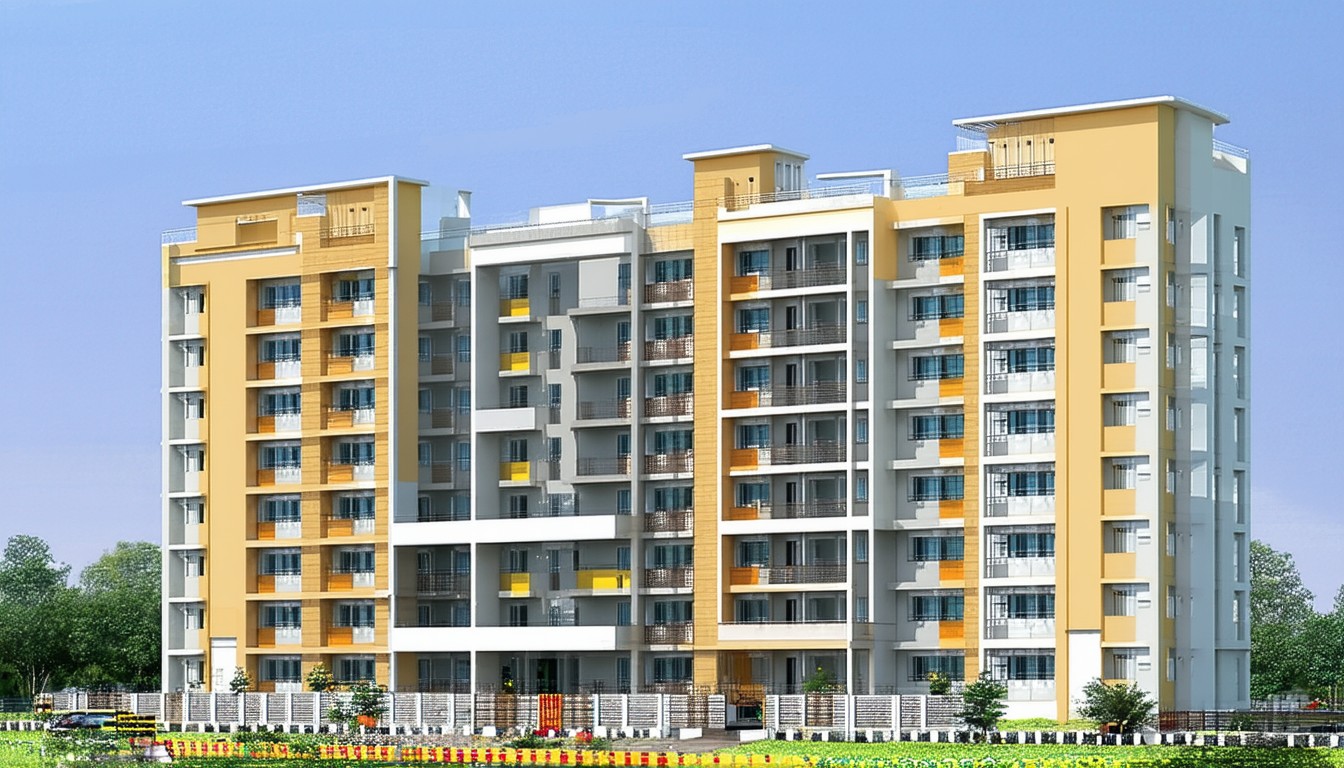
Jharkhand State Housing Board: Housing Schemes & Services
The state of Jharkhand, with its growing urban populations and deep social diversity, faces a pivotal challenge: ensuring that all citizens have access to secure, affordable, and well-planned housing. Housing does more than provide shelter—it’s a keystone for health, economic mobility, and social well-being. The Jharkhand State Housing Board (JSHB) plays an essential role in this process, empowering ordinary families and fostering urban growth across the state.
The Mandate of the Jharkhand State Housing Board
First constituted under the State Housing Board Act (adopted from the national framework post-formation of Jharkhand in 2000), the JSHB is tasked with planning, developing, and distributing residential properties. With a mission rooted in inclusivity and sustainability, the board addresses both current needs and future demand for quality urban habitats. In recent years, housing in India has moved up on the policy ladder, propelled by initiatives like Pradhan Mantri Awas Yojana (PMAY). Jharkhand has tuned its approach to align with these national pushes while attention remains sharply focused on local needs.
Core Functions
JSHB’s primary objectives include:
- Planning housing colonies for various income segments (EWS, LIG, MIG, HIG)
- Land acquisition and infrastructure development (roads, water, sanitation)
- Allotment and sale of built houses, flats, and plots through transparent draw systems
- Urban renewal projects and affordable housing partnerships with private developers
- Promoting green practices and inclusive community designs
This broad spectrum ensures not only the creation of new housing stock but also upgrades to existing urban environments, with a keen focus on serving Jharkhand’s diverse communities.
“Urban planning tied directly to housing delivery is the linchpin of sustainable cities. For state housing boards, balancing affordability with infrastructure is an ever-evolving challenge,” notes a senior architect from Ranchi involved in urban policy advisory.
Signature Housing Schemes: Unlocking Affordable Urban Living
Over the past decade, JSHB’s schemes have extended from small pilot projects to large-scale housing townships in cities like Ranchi, Dhanbad, and Jamshedpur. Each scheme is designed to answer specific market gaps and the needs of distinctive socio-economic groups.
Key Housing Initiatives
1. Flats and Plot Allotment Schemes
Via regular announcements, JSHB invites applications for affordable flats and plotted developments. Allotments are usually made through computerised draws to ensure fairness and transparency. Schemes are split according to:
- Economically Weaker Sections (EWS): Simple, low-cost apartments or single-unit dwellings
- Low-Income Group (LIG) and Middle-Income Group (MIG): Moderately sized apartments and plots
- High-Income Group (HIG): Larger units, more premium finishings
2. PMAY Partnership Projects
Several of JSHB’s large-scale projects are delivered under PPP (Public–Private Partnership) mode, co-branded with the Pradhan Mantri Awas Yojana. These ventures tap both state resources and private-sector execution to speed up delivery and keep costs manageable for eligible homeowners.
3. Urban Upgradation & Rehabilitation Projects
Beyond constructing new housing, JSHB is engaged in upgrading slum areas and resettling displaced populations. By investing in water, roads, street lighting, and green areas, the board aims to elevate living conditions for some of the most vulnerable residents.
Example: Ranchi Housing Clusters
In Ranchi, several JSHB developments have become the nucleus of burgeoning neighborhoods, offering thousands of families new homes along with markets, community centres, and playgrounds—all designed with future urban expansion in mind.
Digital Transformation: Modernizing Services and Citizen Access
In response to growing expectations for convenience and transparency, JSHB has invested in digitizing its operations. Applicants can now find notifications, download application forms, and check scheme results via the board’s official portal.
Online Services and E-Transparency
- Detailed scheme information, eligibility criteria and timelines are regularly updated online.
- E-payment gateways simplify fee submissions and reduce paperwork.
- Digital grievance redressal channels allow citizens to flag issues swiftly, from allotment clarifications to possession queries.
This shift does not just save time for the end-user; it also reduces administrative lags and amplifies accountability.
Affordable Housing in Context: Impact and Ongoing Challenges
JSHB’s work unfolds in a context where, like much of urban India, affordable housing demand far outpaces supply. According to urban studies, the gap is acutely felt among EWS and LIG categories. Many families in smaller cities and peri-urban areas struggle with limited access to scheduled land releases and formal credit, even when schemes exist.
Obstacles to Universal Access
Challenges include:
- Land acquisition bottlenecks owing to complex ownership records
- Funding gaps, especially for large infra upgrades or new townships
- Delay in project execution—due to both administrative and contractor-related factors
- Limited uptake among marginalized populations lacking awareness or documentation
While initiatives like PMAY and housing board partnerships bring momentum, closing the gap will need ongoing innovation and committed policy support.
“Despite solid intent, the sheer scale of housing need in fast-growing states like Jharkhand means that boards must constantly review both delivery models and beneficiary outreach,” says an urban development researcher based in Jamshedpur.
Collaboration and Future Outlook
Partnerships remain at the heart of scaling up. JSHB collaborates with municipal bodies, state and central government agencies, and private builders to orchestrate cost-effective and timely delivery of homes.
Trends to Watch
- PPP Models: Joint ventures are increasingly unlocking efficiencies in land use and construction speed.
- Green Housing: Several recent projects have incorporated rainwater harvesting, solar lighting, and landscaped community spaces.
- Focus on Smaller Towns: The ‘Smart Cities’ vision and decentralization of economic activity are prompting JSHB to extend housing clusters beyond major urban hubs.
In practice, embracing innovation, integrating technology in monitoring, and active citizen engagement will define how effectively JSHB meets the evolving needs of Jharkhand’s urbanizing communities.
Conclusion: Paving the Path Toward Urban Inclusion
The Jharkhand State Housing Board stands as a cornerstone institution in the state’s urban journey, addressing fundamental issues of access, affordability, and quality in housing. Its schemes, underpinned by modern processes and growing stakeholder partnerships, continue to shape the built environments where new Jharkhand dreams take root. For lasting impact, ongoing attention to inclusivity, transparency, and public participation will be essential as cities continue to transform.
FAQs
How do I apply for a Jharkhand State Housing Board scheme?
Interested applicants should visit the official JSHB website, review current notifications, download the relevant forms, and submit all required documents either online or at designated locations within announced timelines.
Who is eligible for affordable housing schemes by JSHB?
Eligibility is based on income categories (EWS, LIG, MIG, etc.), state residency status, and sometimes additional criteria. Each scheme notification provides specific eligibility details.
What documents are needed for application?
Standard requirements include proof of identity and address, income certificates, photographs, and sometimes affidavits regarding property ownership or residence status.
Are JSHB allotments done fairly?
Yes, most allotments are carried out via computerised lotteries or draws under transparent protocols, and results are published publicly for accountability.
Can I check my application status online?
Applicants can typically track their status through the board’s portal using their application or reference number, ensuring transparency throughout the process.
How does JSHB support slum dwellers or displaced people?
JSHB implements rehabilitation and urban renewal schemes that provide formal housing along with essential infrastructure upgrades to improve the quality of life for vulnerable groups.