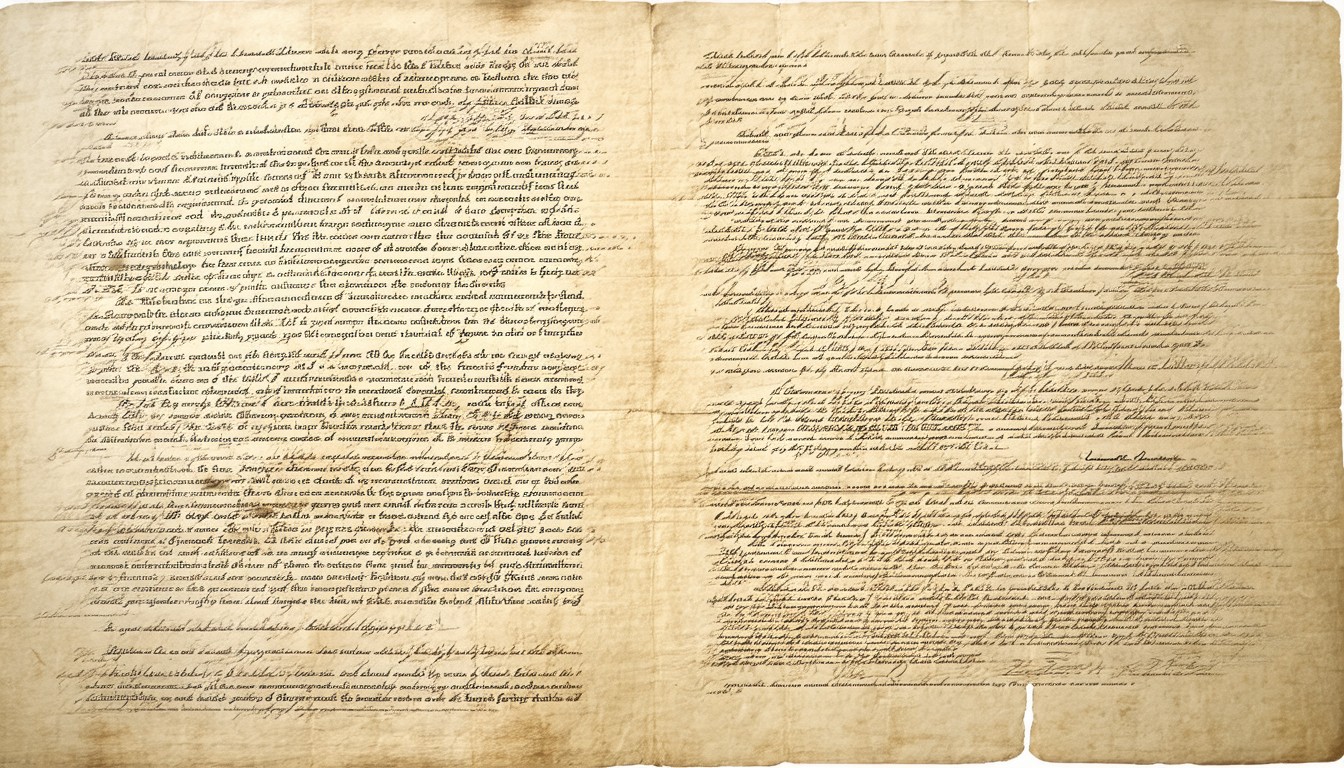
Article 38 of Indian Constitution: Social Justice and State Responsibility
Social justice sits at the heart of the Indian Constitution, woven into its fabric through the Directive Principles of State Policy (DPSPs). Among these, Article 38 plays a pivotal role in shaping the vision of a more just and equitable India. By tasking the State with promoting welfare, minimizing inequalities, and securing a social order grounded in justice—political, economic, and social—Article 38 stands as a compass for progressive governance.
India’s path to implementing these constitutional ideals has been complex. Socio-economic disparities, regional imbalances, and access to justice challenges persist despite leapfrogging development and policy innovation. Article 38 sets forth broad, ambitious guidelines, aiming not just for equality of opportunity, but for a fundamental restructuring of society’s power and resource dynamics.
Understanding Article 38 of the Indian Constitution
The Text and Its Key Directives
Article 38 is part of Part IV of the Indian Constitution, which deals with the DPSPs—guidelines for the State rather than enforceable rights. The Article states:
- The State shall strive to promote the welfare of the people by securing and protecting a social order in which justice—social, economic, and political—shall inform all the institutions of national life.
- The State shall, in particular, minimize inequalities in income, status, facilities, and opportunities, not only among individuals but also among groups of people residing in different areas or engaged in different vocations.
Core Principles: Welfare, Justice, and Equality
Article 38 asserts a three-fold commitment:
- Promotion of Welfare: The State is instructed to work proactively to ensure the general well-being of all citizens, especially those vulnerable to systemic disadvantages.
- Social Order Based on Justice: It envisions a nation where every institution, from the judiciary to the marketplace, functions with fairness at its core.
- Minimization of Inequality: Targeting both individuals and groups, the Article seeks to address disparities in wealth, status, and access, recognizing that true equality requires attention to both results and opportunities.
“Article 38 doesn’t merely ask for formal equality before the law; it urges the State to act decisively to level deep-rooted inequities,” observes Prof. B.N. Kirpal, former Chief Justice of India.
The Historical Context and Evolution
Roots in the Independence Movement
India’s freedom struggle was not just about political independence but also a promise of social transformation. Leaders like Jawaharlal Nehru and B.R. Ambedkar championed the idea that democracy must go beyond voting rights to include genuine socio-economic justice. Article 38 was crafted in this context, reflecting national aspirations to address poverty, caste hierarchy, and illiteracy.
Amendments and Interpretations
The scope of Article 38 was fortified by the 44th Constitutional Amendment in 1978, which explicitly added the State’s responsibility to reduce inequalities among “groups of people residing in different areas or engaged in different vocations.” Judicial interpretations have consistently read DPSPs, particularly Article 38, as informing and guiding the development of laws and state policies, even if not directly justiciable in courts.
Implementation: State Action and Social Justice Policies
Government Initiatives Anchored in Article 38
Successive governments have launched flagship welfare schemes with the goals of Article 38 in mind:
- Mahatma Gandhi National Rural Employment Guarantee Act (MGNREGA): Provides rural households with guaranteed wage employment, targeting income inequality and rural distress.
- Right to Education (RTE): Ensures free and compulsory education for children aged 6–14, aiming to level educational opportunities.
- Ayushman Bharat and National Health Mission: Seeks to break the cycle of health-based poverty by offering subsidized healthcare.
- Reservation Policies: Extend affirmative action to Scheduled Castes, Scheduled Tribes, and Other Backward Classes in education and government jobs, mitigating historic disadvantages.
Inclusive Development: Measuring Progress and Challenges
Despite advances, multiple indicators suggest uneven impact:
- The India Inequality Report by Oxfam notes a widening wealth gap despite a shrinking poverty rate, with a small elite controlling a significant share of assets.
- Regional imbalances remain stark, as seen in varied access to infrastructure, healthcare, and quality education between states like Kerala and Bihar.
- Gender and caste continue to influence access to opportunity, with women and marginalized communities facing higher barriers in employment and justice.
The Role of Judiciary: Guiding Social Justice Beyond the DPSPs
From Aspirational to Influential
Though DPSPs are not directly enforceable by the courts, the Supreme Court and High Courts have invoked Article 38 to interpret Fundamental Rights more expansively. Landmark judgments have cited Article 38 to prioritize social justice in areas ranging from public health to environmental protections.
For example, in the Unni Krishnan case on the right to education, the Supreme Court drew on Article 38 to conclude that education is integral to justice—thus shaping public policy and legislative intent.
Evolving Judicial Philosophy
Indian courts’ sensitivity to Article 38 reflects a broader trend where constitutional morality and aspirational principles are gaining weight in judicial reasoning. This has, at times, prompted authorities to justify policy in terms of broader social justice, even in tough fiscal climates.
Comparative Perspective: Social Justice in Other Constitutions
Lessons from Abroad
Other constitutions—such as those of South Africa and Ireland—make explicit commitments to social and economic rights, sometimes as enforceable entitlements. South Africa’s Constitution, for instance, guarantees the right to housing, health care, and education, and its courts have compelled the government to act.
While India’s approach is more indirect, the persistent reference to DPSPs and Article 38 in courtrooms and policy debates ensures social justice remains a “living ideal,” shaping the Republic’s ongoing journey.
Looking Forward: Challenges and Opportunities
The Road to Substantive Equality
To bridge the gap between promise and practice, India must address key challenges:
- Policy Design and Execution: Schemes must reach the intended beneficiaries, minimizing leakage and bureaucratic hurdles.
- Data-Driven Monitoring: Regular measurement of inequality, social mobility, and access is crucial for course correction.
- Inclusive Growth: Economic growth needs to be paired with investments in healthcare, education, and social safety nets.
As digital governance expands, new avenues for inclusion—such as direct benefit transfers and digital public goods—present both promise and risk, especially for communities with limited digital access.
Strategic Recommendations
A multi-stakeholder approach is essential. Policymakers, civil society, judiciary, and the private sector must collaborate to realize the vision set out in Article 38.
Conclusion: Article 38’s Enduring Influence
Article 38 of the Indian Constitution remains more than just an abstract principle—it serves as a continuous call to action for Indian democracy. By embedding social justice and the minimization of inequality into the State’s official duties, it provides both a benchmark and a moral compass for policies aiming at inclusive growth and equitable opportunity. Translating this constitutional promise into reality will require ongoing commitment, innovation, and vigilance: the journey towards a just and equal social order is as relevant today as it was at Independence.
FAQs
What is Article 38 of the Indian Constitution?
Article 38 directs the Indian State to promote the welfare of the people by securing a social order based on justice—social, economic, and political—and minimizing inequalities among individuals and groups.
Is Article 38 legally enforceable in court?
While Article 38 is not directly enforceable, it significantly influences legislation and judicial interpretation, guiding the State’s policy direction and shaping the implementation of rights.
How does Article 38 relate to social justice?
Article 38 forms the constitutional bedrock for social justice in India, requiring active State intervention to address inequality and promote fairness in all institutions of national life.
What are some real-world examples of Article 38 in action?
Major welfare schemes like MGNREGA, the Right to Education Act, and affirmative action policies reflect the practical application of Article 38’s objectives to minimize inequality and promote social justice.
Why is Article 38 still relevant today?
Ongoing disparities in wealth, regional development, and access to essential services make Article 38’s guidance crucial for contemporary policy-making and societal reform.
How do other countries address social justice in their constitutions?
Countries like South Africa and Ireland include explicit, often justiciable provisions for social and economic rights, reflecting similar goals to Article 38 but with stronger legal enforceability.