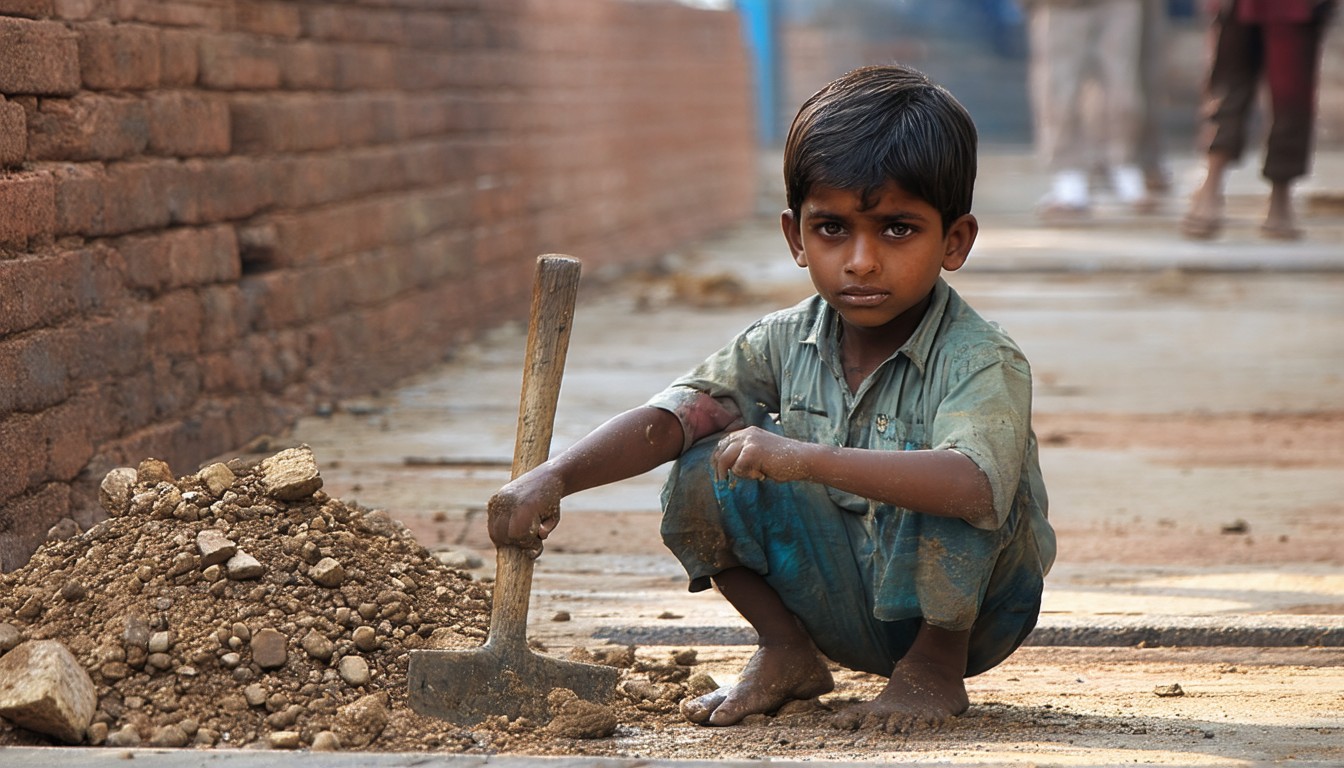
Article 24 of Indian Constitution: Prohibition of Child Labour Explained
Child labour remains one of the most challenging human rights issues facing India. Amidst rapid economic change and vast social diversity, millions of children find themselves forced into work at an early age, often at the cost of their health and education. Embedded within the bedrock of India’s Constitution, Article 24 marks a bold stand against this practice—categorically prohibiting the employment of children in hazardous environments. As India continues its development journey, understanding Article 24’s scope, impact, and challenges is pivotal for policymakers, businesses, and civil society.
Decoding Article 24 of the Indian Constitution
Article 24 of the Indian Constitution reads:
“No child below the age of fourteen years shall be employed to work in any factory or mine or engaged in any other hazardous employment.”
The provision enshrines a fundamental right for children, forming part of the broader set of measures aimed at securing their welfare, dignity, and safety. By specifying both an age threshold and targeted employment sectors, Article 24 provides an unyielding baseline for legal intervention.
The Historical Context and Legislative Evolution
When the Constitution came into force in 1950, child labour was deeply entrenched across rural and urban landscapes. Lawmakers drafted Article 24 in direct response to widespread exploitation witnessed in colonial and early post-colonial India. Over time, the article has influenced subsequent legislation, helping to shape the Child Labour (Prohibition and Regulation) Act of 1986 and its various amendments.
These laws not only reinforced the constitutional prohibition but also extended its reach, progressively reducing the scope for legal child employment and mandating improved conditions where exceptions are permissible.
How Article 24 Links to Broader Child Rights Protections
Article 24 does not exist in isolation. It aligns closely with other Constitutional provisions, including:
- Article 21A: Guarantees free and compulsory education for children aged 6 to 14.
- Article 39(e) and (f): Directs the State to ensure children are not forced by economic necessity to enter vocations unsuited to their age or strength.
Collectively, these articles form a synergistic legal architecture aimed at removing children from the workforce and repositioning education and development as top priorities.
Complementary Legislation
Legislation like the Right of Children to Free and Compulsory Education Act (RTE) and the Juvenile Justice (Care and Protection of Children) Act continue the work that Article 24 began. In practice, these overlapping statutes establish a safety net, forcing employers, families, and states alike to prioritize child rights.
“Article 24 is not just a legal provision—it’s a moral imperative. Child labour erodes the nation’s potential. True progress demands not only prohibiting such practices but investing collectively in children’s futures,”
— Dr. Shantha Sinha, former Chairperson, National Commission for Protection of Child Rights.
Where Article 24 Stands in Today’s India
Despite tough laws, India still faces a stubbornly high number of child labourers. According to census-based estimates, millions of children under 14 remain engaged in work—much of it hidden, informal, or undefined by law. This poses a persistent challenge: how to translate constitutional ideals into real progress on the ground.
Core Challenges in Implementation
- Poverty and Social Norms: Economic necessity and culturally ingrained practices continue to drive families to send children to work.
- Disguised and Informal Work: Many children work outside formal employment categories, such as in family businesses or household chores, blurring legal lines.
- Enforcement Gaps: Insufficient resources, limited inspectorates, and bureaucratic hurdles hinder consistent implementation.
- Migration and Urbanization: Children migrating with families to urban centers are particularly vulnerable to exploitative labour.
Real-World Cases and Responses
Several high-profile incidents have drawn attention to child labour, leading to crackdowns and reforms. For instance, the discovery of underage children in hazardous industries like fireworks manufacturing in Sivakasi prompted targeted interventions and stricter monitoring.
Non-profit organizations, such as Bachpan Bachao Andolan, have partnered with local authorities to rescue thousands of children annually. Still, the persistent scale of the problem demonstrates systemic barriers beyond legislation alone.
India’s Global Commitments on Child Labour
India is a signatory to major international conventions, including:
- International Labour Organization (ILO) Convention 138: Sets the minimum age for employment.
- ILO Convention 182: Addresses the worst forms of child labour.
Aligning constitutional mandates with these global standards underscores India’s commitment to child rights at both domestic and international levels. Yet, translating these commitments into tangible outcomes on the ground remains a work in progress.
The Way Forward: Opportunities, Gaps, and Solutions
Eliminating child labour calls for more than punitive measures. It requires holistic strategies that tackle root causes, namely poverty and lack of educational opportunity.
Strengthening the Legal and Institutional Framework
While Article 24 sets the legal floor, periodic review and enhancement of supporting laws and enforcement mechanisms is critical. Enhanced child labour monitoring, more responsive rehabilitation schemes, and cross-agency collaborations are among the top recommendations from both governmental reports and independent watchdogs.
Education as a Game-Changer
Universal education, particularly among economically weaker sections, has shown significant promise in reducing child labour. Programs incentivizing school attendance—such as mid-day meals and cash transfers—address both nutritional and economic barriers.
Industry Responsibility and Corporate Accountability
Many Indian and multinational companies have strengthened supply chain due diligence, ensuring that goods are not produced using child labour—a trend driven by both legal obligations and evolving consumer expectations. Certification bodies, audits, and public pressure have triggered a gradual shift in industry attitudes, particularly in textiles, agriculture, and manufacturing.
Concluding Summary
Article 24 of the Indian Constitution is a cornerstone of child welfare law—a clear, categorical mandate against child labour in hazardous sectors. Yet, the complexity of implementation requires continual effort by government, civil society, industry, and communities alike. Only by addressing the socio-economic drivers and investing in robust enforcement and education can the vision laid out in Article 24 become a reality for every child in India.
FAQs
What exactly does Article 24 of the Indian Constitution prohibit?
Article 24 prohibits the employment of children below 14 years in factories, mines, or any hazardous work, aiming to protect them from exploitative and unsafe labor environments.
How does Article 24 work alongside other child welfare laws?
Article 24 is reinforced by laws such as the Child Labour (Prohibition and Regulation) Act and the Right to Education Act, creating a network of protections designed to keep children out of harmful work and in school.
Are there exceptions to this prohibition?
While Article 24 explicitly targets hazardous work, some legislation allows children to help in family enterprises or work in non-hazardous sectors under regulated conditions. These exceptions are regularly debated and revised.
What measures improve enforcement of Article 24?
Improvements include stricter inspections, community awareness campaigns, and more severe penalties for violators. Collaboration between NGOs, local authorities, and national bodies also plays a critical role.
Why does child labour remain a problem despite Article 24?
Socio-economic factors like poverty, illiteracy, and social norms contribute to the problem. Gaps in enforcement and the scale of the informal sector make full eradication a complex challenge.
How can individuals or organizations help address child labour?
Supporting educational initiatives, reporting violations, and choosing ethically-sourced products are practical steps. Collaboration with NGOs focused on child welfare can also drive broader systemic change.