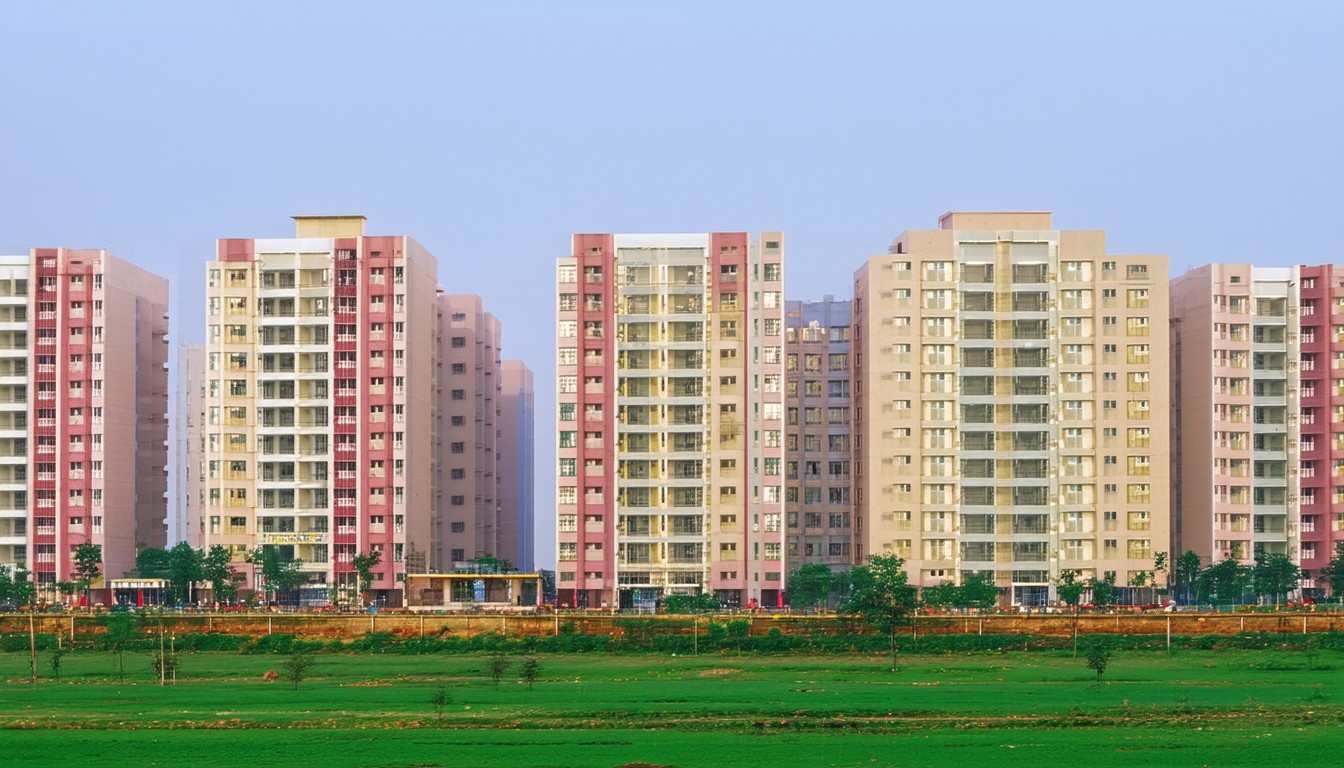
Jharkhand State Housing Board: Housing Schemes, Projects & Services
Housing is the foundation of social and economic stability—an essential right that shapes the quality of life, public health, and community development. In Jharkhand, a state characterized by both rapid urban expansion and deep rural roots, access to affordable, durable housing remains a complex challenge. The Jharkhand State Housing Board (JSHB) stands at the forefront of responding to this challenge, acting as both facilitator and enabler for citizens seeking secure shelter. Through a suite of housing schemes and projects, the Board is instrumental in transforming the state’s urban and semi-urban landscape, aiming for inclusive, sustainable growth.
Understanding the Jharkhand State Housing Board
The Jharkhand State Housing Board, established shortly after the formation of the state, is the principal government authority tasked with the mission of providing planned, affordable housing. With a mandate that covers land allocation, infrastructure development, and scheme implementation, the JSHB directly impacts thousands of households.
Mandate and Objectives
The core objectives of the Board include:
- Promoting affordable housing for economically weaker sections (EWS), low-income groups (LIG), and middle-income groups (MIG).
- Regulating housing standards with respect to safety, utilities, and urban planning.
- Partnering with private developers, banks, and NGOs to scale impact.
Over the years, JSHB has emerged as a nodal agency aligning with both central government missions—like the Pradhan Mantri Awas Yojana (PMAY)—and state-level urban development initiatives.
Organizational Framework
The Board functions through a blend of administrative wings—architectural design, engineering, estate management, and customer support—reflecting a focus on efficiency and citizen service. This structure supports not only project execution but also policy formulation and post-allotment services.
Major Housing Schemes under JSHB
The JSHB administers several flagship schemes designed to uplift underprivileged communities and offer homeownership to diverse economic segments.
Economically Weaker Sections (EWS) and Low-Income Group (LIG) Schemes
One of the most vital pillars of the Board’s work is direct intervention for the most vulnerable. EWS and LIG housing projects typically feature:
- Subsidized cost structures
- Easy installment plans
- Access to basic infrastructure (water, electricity, sewerage, road connectivity)
- Proximity to essential services (healthcare, schools, markets)
“Affordable housing is not merely about constructing buildings—it’s about nurturing dignity and unlocking social mobility,” notes a senior JSHB official.
In recent years, locations like Ranchi, Dhanbad, Bokaro, and Jamshedpur have seen periodic housing lotteries for EWS and LIG units, with a steady increase in application rates, reflecting the growing demand.
Middle-Income and General Housing Initiatives
Recognizing the diverse aspirations of the urban middle class, JSHB offers projects featuring:
- 2BHK and 3BHK apartment blocks
- Modular design with attention to sustainability
- Parks, community centers, and parking spaces
Such offerings typically involve slightly higher unit costs, but residents benefit from master-planned communities and robust property management. The demand, especially among upwardly mobile young professionals, continues to be resilient.
Slum Redevelopment and Urban Upgradation
Beyond greenfield housing projects, the Board also implements:
- In-situ redevelopment of old slums
- Upgrading infrastructure and amenities
- Legalizing informal settlements
These interventions improve living conditions for large numbers of urban poor, especially as Jharkhand’s towns undergo rapid expansion.
Landmark Projects: Transforming Urban Jharkhand
A number of JSHB projects have become urban landmarks, contributing to both city skylines and inclusive development.
Ranchi: HEC Colony Redevelopment
Once a fading industrial neighborhood, the HEC Colony in Ranchi was transformed through a phased approach, delivering thousands of housing units and green open spaces while providing original inhabitants with ownership rights.
Bokaro and Jamshedpur: Integrated Residential Townships
Large-scale residential clusters in Bokaro and Jamshedpur finish the blueprint of integrated urban living: planned layouts, commercial pockets, well-lit streets, and schools within easy reach. These projects serve as models for mixed-income developments across east-central India.
Dhanbad: EWS Apartment Complex
In the mining city of Dhanbad, a prominent EWS-focused project set benchmarks for design and community engagement—ensuring safe housing for informal workers and miners’ families.
Services and Citizen Support Functions
JSHB is not limited to construction alone; its role encompasses multiple services aimed at making housing accessible and manageable for allottees.
Application and Allotment Process
To ensure transparency and efficiency, the Board has digitized much of its workflows:
- Online application portals for housing schemes
- Transparent lottery systems to ensure fairness
- Publishable lists for public verification
- Helplines and customer support desks
These processes minimize opportunities for malfeasance and foster trust among applicants.
Post-Allotment Support
Once housing units are allotted, support extends to:
- Registration and documentation services
- Facilitation of home loans through tie-ups with banks
- Maintenance services within housing colonies
- Redressal mechanisms for grievances
Regular community meetings and online feedback systems allow residents to voice concerns and suggest improvements, strengthening the Board’s grassroots engagement.
Partnerships and Innovation in Housing Delivery
JSHB’s progress rests on strategic collaborations. By working with urban local bodies, private real estate partners, and financial institutions, the Board is able to stretch its reach and boost innovation.
Technology in Project Management
Adoption of GIS mapping, digital design tools, and e-governance platforms has helped the Board speed up planning and reduce delays.
“Digital transformation has been a game-changer for urban housing authorities, helping to monitor progress and curb project overruns,” says a leading urban planner based in Ranchi.
Public-Private Partnerships (PPP)
Through PPP models, JSHB can leverage private capital for rapid project execution while maintaining regulatory oversight. Noteworthy successes include multi-tower complexes in satellite towns that have reduced the affordable housing gap.
Challenges and the Road Ahead
Despite visible progress, numerous obstacles persist. Land acquisition hurdles, funding bottlenecks, and the challenge of integrating new and existing settlements slow down expansion. Additionally, urban migration and changing demographics keep shifting the goalposts for demand.
Addressing these will require:
- Clearer policy coordination between state and central governments
- Stronger safeguards for project timelines and resident protections
- Ongoing innovation in housing finance and design
Jharkhand’s experience offers instructive lessons for other states wrestling with similar socio-economic conditions.
Conclusion: Towards Inclusive, Sustainable Urban Growth
The Jharkhand State Housing Board is pivotal in navigating the crossroads of development, equity, and urban transformation. By providing a diversity of schemes, embracing new technologies, and fostering transparent service delivery, the Board continues to light a path toward “Housing for All.” With sustained investment and effective partnerships, JSHB’s model holds promise not just for Jharkhand, but as an evolving blueprint for affordable housing across India.
FAQs
What is the primary role of the Jharkhand State Housing Board?
The Board is responsible for developing and managing affordable housing projects across Jharkhand, ensuring that citizens from diverse income groups can access secure, planned housing.
How can citizens apply for housing schemes under JSHB?
Interested applicants can register through the official JSHB online portal during scheme announcement periods, following a transparent application and lottery process.
Who is eligible for EWS and LIG housing schemes?
Eligibility generally depends on income limits set by the government, with targeted preferences for economically weaker sections, low-income groups, and other vulnerable populations.
Are financing and loan facilities available for JSHB projects?
Yes, the Board partners with various banks and financial institutions to help eligible buyers obtain home loans at favorable terms.
What post-allotment services does JSHB offer?
Services include registration support, maintenance of common areas, grievance redressal, and assistance with any legal or administrative formalities regarding property ownership.
How is JSHB responding to rapid urbanization in Jharkhand?
Through planning new projects, redeveloping existing colonies and slums, and partnering with private entities, JSHB continually adapts its strategies to meet evolving population needs.