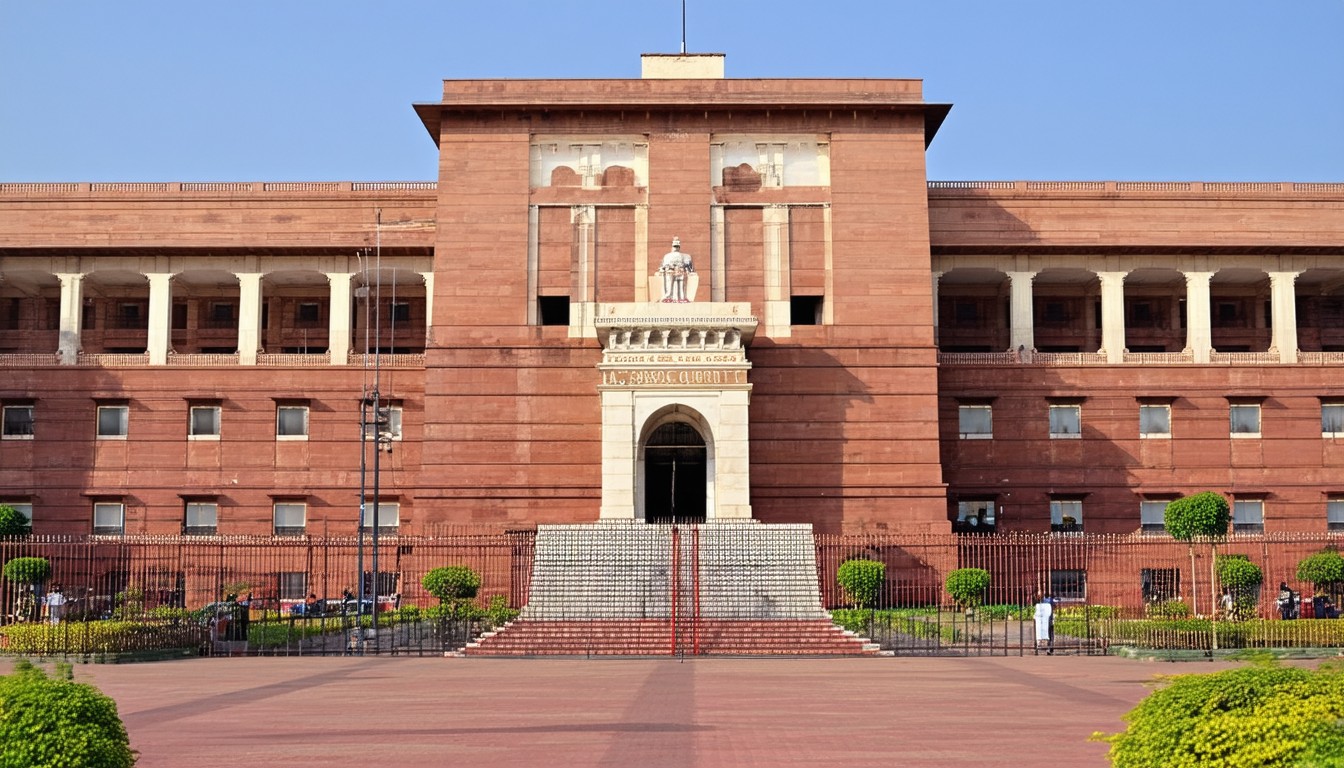
Section 482 CrPC: Inherent Powers of High Court Explained
The power of the judiciary to intervene and ensure justice is a cornerstone of the Indian legal system. Nowhere is this more apparent than in Section 482 of the Criminal Procedure Code (CrPC), a provision that empowers High Courts across India to step in and correct judicial missteps, shield individuals from baseless prosecutions, and prevent the abuse of the legal process. Over the decades, the invocation of Section 482 has shaped legal outcomes in some of the country’s most pivotal criminal cases, often marking the thin boundary between strict legal procedure and the greater demands of justice.
Section 482 CrPC acts as a constitutional safeguard, providing the High Court inherent powers to issue orders necessary to “secure the ends of justice.” Its determination and interpretation have been subject to extensive judicial scrutiny, making it a critical area for lawyers, litigants, and law enthusiasts alike.
The Legal Framework of Section 482 CrPC
Section 482 of the CrPC states:
“Nothing in this Code shall be deemed to limit or affect the inherent powers of the High Court to make such orders as may be necessary to give effect to any order under this Code, or to prevent abuse of the process of any Court or otherwise to secure the ends of justice.”
Crucially, the provision is meant to supplement, not supplant, the specific powers given to High Courts elsewhere in criminal procedure law. This means Section 482 isn’t a shortcut or alternative process but a tool of last resort, invoked when regular remedies are insufficient.
Key Aspects of Section 482
- Inherent Jurisdiction: The powers under Section 482 are not codified elsewhere, reflecting the expectation that judges apply wisdom and restraint.
- Judicial Discretion: It’s not an automatic right; the High Court exercises discretion based on the facts of each case.
- Scope: The powers extend to quashing criminal proceedings, preventing miscarriages of justice, or intervening in administrative processes if required to uphold legal fairness.
When and Why Section 482 CrPC is Invoked
Courts turn to Section 482 CrPC in situations where:
- Legal procedures have been twisted for ulterior motives.
- Unfounded or malicious prosecutions would cause unnecessary harm.
- The prosecution demonstrates clear legal defects.
- The interest of justice cannot be served through available statutory remedies.
Typical examples include the quashing of an FIR (First Information Report), halting proceedings against an accused in cases of insufficient evidence, or correcting grave process errors in ongoing trials.
“Section 482 is not a panacea for all grievances, but a surgical tool, to be wielded judiciously in cases where procedural remedies fail to provide complete justice.”
— Senior Advocate Anil Arora, National Law University Delhi
Illustration: A Real-World Example
In State of Haryana v. Bhajan Lal (1992), the Supreme Court set out principles guiding the use of Section 482. The case involved allegations of misuse of police process by political rivals. The Court established a set of conditions under which the High Court should intervene, notably where the complaint is manifestly frivolous or malafide.
Beyond landmark decisions, more contemporary uses include the growing number of business and family disputes, which have sometimes been criminalized as a pressure tactic. High Courts, mindful of reputation and justice, regularly use Section 482 to quash proceedings in such scenarios.
Judicial Principles Governing Inherent Powers
Despite its wide wording, the Supreme Court and High Courts have consistently cautioned restraint. Section 482 is not to override express statutory limitations, nor should it become a substitute for appeal or revision procedures.
Guidelines for Use
Below are some judicially recognized principles:
- Last Resort: Used after exhausting all statutory remedies.
- Prevention of Injustice: Invoked only if there is a real danger of injustice.
- No Contested Facts: Rarely used where the factual matrix requires thorough trial.
- No Encouragement to Lapses: Not to be used to condone procedural irregularities caused by negligence or tactical delay.
Notable Judgments
-
State of Karnataka v. L. Muniswamy (1977)
The Supreme Court held that the High Court has the authority to quash proceedings if the material does not disclose any offense. -
Zandu Pharmaceutical Works Ltd. v. Mohd. Sharaful Haque (2005)
The Court emphasized that inherent power is exercisable to prevent abuse of process and must be exercised judiciously, not capriciously.
Pros, Cons, and Evolving Trends
While Section 482 is an essential legal safety valve, it is also susceptible to overuse and potential misuse. With rising crime reporting and instances of personal vendettas being played out via FIRs, the High Courts face a delicate balance.
Advantages
- Prevents harassment: Saves accused individuals from undue distress in groundless cases.
- Curbs judicial backlog: By quashing meritless proceedings, courts manage caseloads more efficiently.
- Protects the rule of law: Ensures criminal law is not wielded as a means of oppression or blackmail.
Challenges
- Floodgates of Litigation: Frequent resort to Section 482 can clog High Court dockets.
- Judicial Overreach: There is a risk of courts interfering prematurely in criminal investigations.
- Subjectivity: The inherent discretionary nature sometimes leads to inconsistency in application.
Recent Trends
With the increasing complexity of economic offenses and cybercrime, there has been a surge in Section 482 petitions, especially before High Courts in major metros like Bombay, Delhi, and Madras. Data from court records suggest a double-digit annual growth rate in such filings over the past decade, correlating with overall criminal caseload expansion and greater public awareness.
Mini Case Study: Quashing Criminal Proceedings in Matrimonial Disputes
A significant share of Section 482 CrPC petitions relate to matrimonial disputes, often where criminal complaints are filed by estranged spouses. In landmark judgments, courts have underlined the need to distinguish between genuine cases of cruelty and those filed as leverage in civil disputes. In many instances, parties settle, leading to consensual quashing of proceedings to enable the couple to move forward without the baggage of criminal records.
For example, the Delhi High Court has repeatedly emphasized the importance of Section 482 in discouraging the criminalization of what are essentially civil disputes, thereby supporting the larger goal of judicial economy.
Conclusion: Section 482 CrPC—A Double-Edged Sword
Section 482 CrPC stands as both shield and scalpel, protecting individuals from legal harassment while preserving the integrity of criminal jurisprudence. When used judiciously, its inherent powers reinforce public trust in the justice system. However, measured restraint remains key—overzealous or inconsistent application undermines both justice and certainty in the law.
As legal norms and crime typologies evolve, so too will judicial interpretations. Legal practitioners and litigants alike must approach Section 482 CrPC with a keen understanding of both its formidable power and its inherent limitations.
FAQs
What does Section 482 CrPC empower the High Court to do?
Section 482 gives the High Court inherent powers to issue orders that may be necessary to secure justice, prevent abuse of court processes, or give effect to any order under the criminal code.
Can any criminal proceeding be quashed under Section 482 CrPC?
Not all cases qualify. The High Court typically intervenes only where proceedings are manifestly baseless, malicious, or would otherwise result in injustice if allowed to continue.
Is Section 482 CrPC a substitute for appeals or revisions?
No, it is invoked only when no other statutory remedies suffice, or where waiting for an appeal or revision would itself perpetuate injustice.
How do courts ensure Section 482 is not misused?
Courts have laid down strict principles and typically use these powers sparingly, especially avoiding interference in cases requiring detailed trial or involving complex facts.
Are there limits to the High Court’s powers under Section 482?
Yes, powers must be exercised judiciously, in good faith, and not to bypass procedures or condone negligence by litigants.
Why is Section 482 CrPC frequently cited in matrimonial disputes?
Matrimonial cases often involve overlapping civil and criminal concerns. When criminal proceedings are filed chiefly as leverage in private disputes, the High Court may quash such proceedings to prevent misuse of legal provisions.